
Guest Post :: Unlock the Secrets of America’s Historic Triangle
Last updated on 10 August 2026
This post may contain affiliate links. If you make a purchase with one of these links, I recieve a small commission at no additional cost to you. Read the full Affiliate Policy.

What is America’s Historic Triangle?
America’s Historic Triangle is the seat of American Independence and so much more! It consists of Jamestown, Williamsburg, and Yorktown. They’re connected by the National Park Service’s Colonial Parkway and also: it’s now my home. With the pandemic came my exit from corporate life and becoming Free At 50, and that led to becoming location-independent. Now I have a second blog fueling my passion for history- because I’m a total history buff and sharing that passion fuels mine continually.
Before we dive in, know this: I’m now offering customized walking tours and curated travel itineraries for your trip here. Click here to open my booking page for tours and click here to schedule a call to discuss an itinerary.
Let’s take the three parts of the triangle one by one, exploring the secrets every history buff shouldn’t miss in 2026 and beyond as America celebrates 250 years of Independence.
Jamestown
There are two separate sites in Jamestown requiring separate tickets.
The Jamestown Settlement is an indoor/outdoor museum that includes a re-imagined village along with replicas of the three ships that initially brought the first colonists to the shores of Virginia. Historic Jamestown is the actual archaeological site.
The Settlement’s indoor museum shares artifacts and details telling the story of the first colony. You’ll learn about King James’ efforts to send settlers here as well as information the Native Americans who lived here, including who we know as Pocahontas.
Historic Jamestown is an active archaeological site and includes the Archaearium which houses a fantastic amount of artifacts found on the property and gives you an opportunity to dive deeper into the history of Jamestown.
The secrets to getting the most out of your visit as a history buff:
- If you’re also doing Yorktown, purchase the ticket package at Jamestown Settlement.
- Stop in the Glass House and see the glassblowers in action. It’s off the parkway as you head from Jamestown Settlement to Historic Jamestown.
- If you are a veteran or have a National Park Service (NPS) pass, let them know when you arrive at Historic Jamestown, as it is partially run by the NPS.
- Talk to the archaeologists in Historic Jamestown as they’ve recently expanded their excavation and can guide you what to check out in the Archaearium.
- As you drive along the Colonial Parkway, pull off and take in the views! Stash a camp chair if you can so you have the option of pulling it out and enjoying the James River in all its glory. The pull-offs include historical markers and information of course!
Williamsburg
History is the number one reason to visit Williamsburg. Period.
Yes, we have Busch Gardens if you like rides. And Water Country too. Lots of trails to hike and bike, golf courses… all of it. But the main thing in my opinion is history.
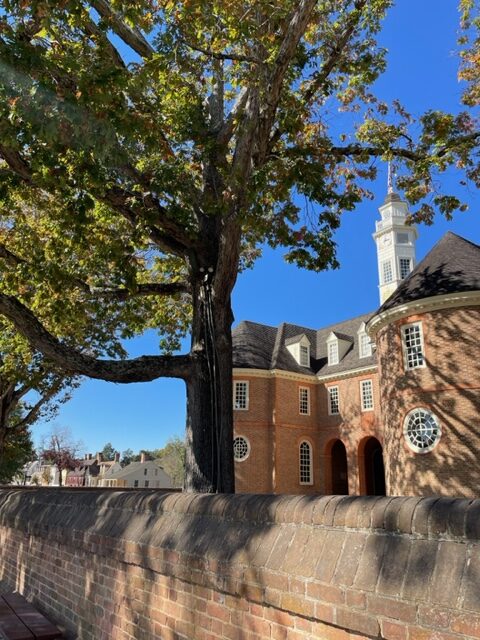
Colonial Williamsburg (CW) is currently the largest living history museum in the world. It’s open every day of the year! In fact, holidays are when it’s busiest. The taverns even offer holiday brunches and dinners (some families make it a tradition)!
Many people will say (and I agree) that this is the true birthplace of American Independence. Virginia was the largest colony of the original 13. In summary, Virginia was the first to vote for independence in May of 1776.
Thomas Nelson got on his horse and rode to Philadelphia to inform the Continental Congress. Then it happened: Richard Henry Lee introduced the resolution for Independence, adopted on July 2nd. Followed by the Declaration of Independence, adopted July 4th, bringing us to America’s 250th in 2026.
The secrets to getting the most out of your visit as a history buff:
- Dedicate a minimum of one day to CW and buy a multi-day ticket or even better: an annual pass. It’s only a few dollars more and will allow you entry anytime over a one-year period.
- Bookmark the events tab of CW’s website on your phone. Utilize it to organize your visit based around your interests but ensure you highlight a program with a Nation Builder (the Washingtons, the Marquis de Lafayette, Thomas Jefferson and more).
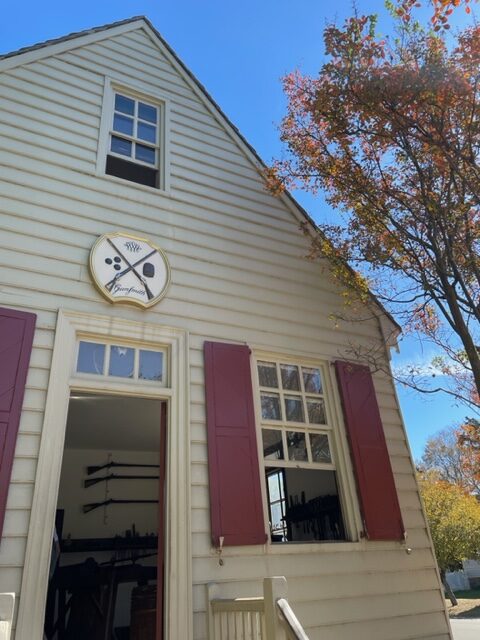
- Visit the trade shops. Know that these are actual skilled professionals, not actors. Yes, from the gunsmith to the tailor, every single one has gone through (or is going through) an on-site apprenticeship that could be as long as seven years. Ask about that, in fact! And learn the 18th century way of each trade, the 18th century residents of Williamsburg and so forth.

- Take a museum tour. The Art Museums of Colonial Williamsburg are included with your ticket. Not only is it where many performances are held, but volunteers and curators also give 20-30 minute tours you’ll find on the event schedule.
- If you love the holiday season, visit between Thanksgiving and New Years. The wreaths will be up, evenings may include music and fireworks on select Saturdays, and there will be special programming.
- Read the markers on the buildings: 89 of the structures are original!
- Visit one of the active archaeological sites, there are several happening at once! (and if you love archaeology, make sure to attend a program dedicated to it)
- March with the Fifes and Drums- depending on the time of year, they’re scheduled multiple times a week. That’s not to say you won’t see musicians playing 18th century instruments randomly on the street.
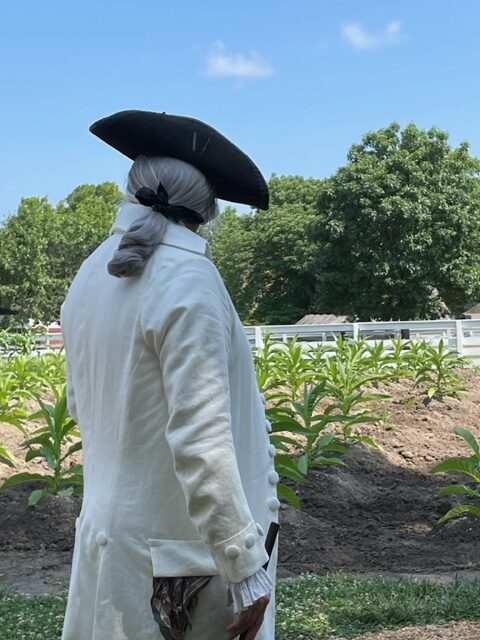
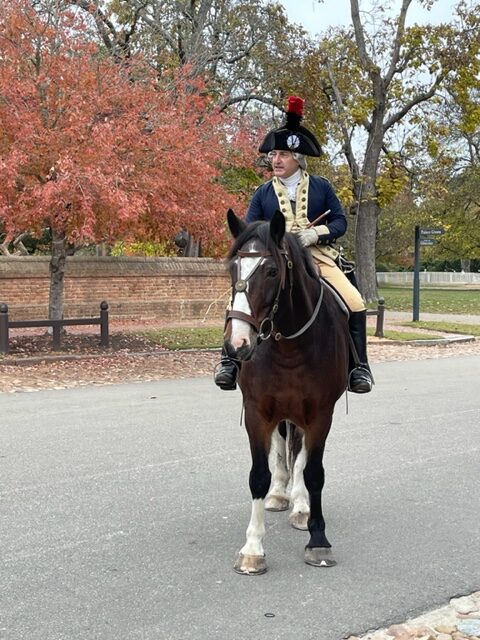
- If you see anyone dressed in 18th century clothes, stop and talk to them. Ask questions. They’re there to share and many have fantastic stories to relay about American history.
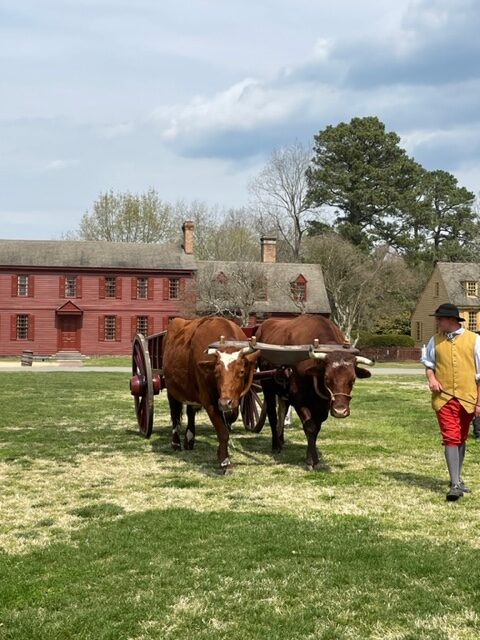
- See the horses. And the sheep, the oxen, the chickens… all the animals. A little-known aspect of CW is the rare breeds program supporting the continuation of heritage breeds. The animals are all around the historic district and you may even visit at times when stable tours are available.
Yorktown
Known for the battle that “ended” the Revolution, there are 2 main sites to visit.
The Museum of the American Revolution is an indoor/outdoor museum similar to Jamestown Settlement (you can purchase the ticket bundle for both).
The battlefield is owned by the NPS and you can hike, bike, or as most people do, drive it and walk portions of it. You’ll see the key spots of the Battle of Yorktown and visit Surrender Field, where the English officially surrendered to General Washington.
The Yorktown victory for the Americans on October 19th, 1781 is widely viewed as the one that secured the overall victory for the United States.
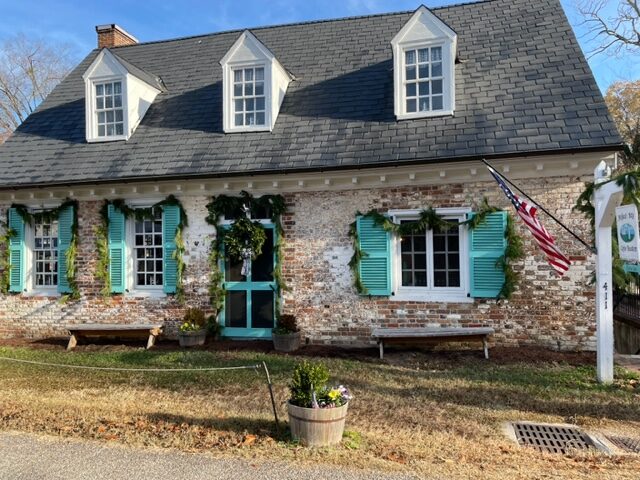

The secrets to getting the most out of your visit as a history buff:
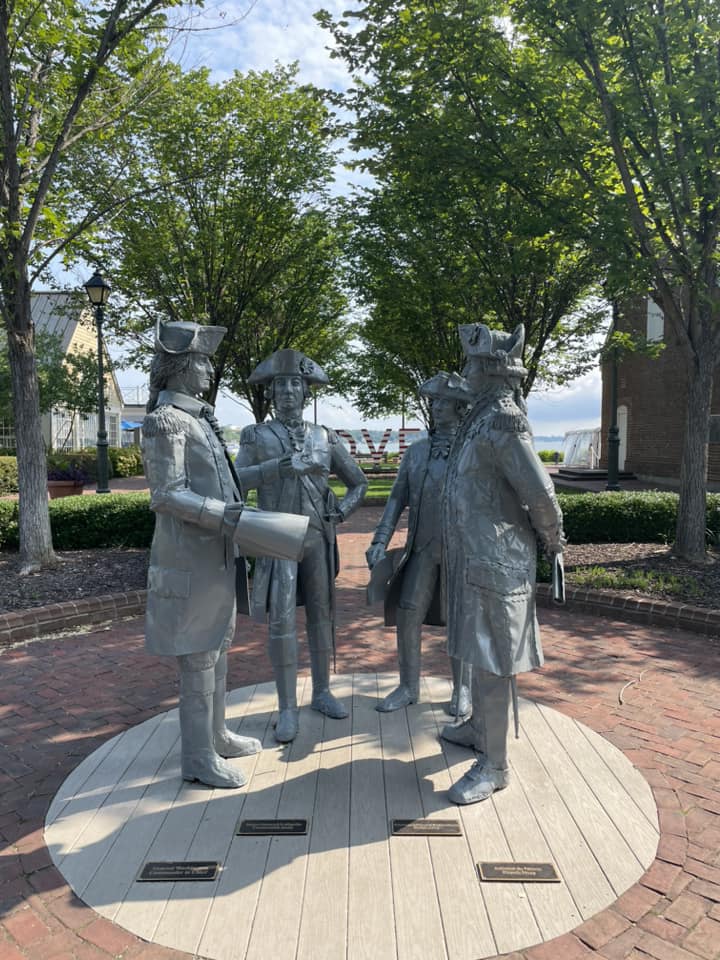
- Walk the riverfront. You’ll see a historic tall ship, as there is usually one docked there. You can also get a photo of the LOVE sign (iconic in Virginia!) and the more serious and historically significant statues of Generals Washington, Lafayette, Rochambeau and Admiral DeGrasse.
- Drive (or walk) “up the hill” from the riverfront to the historic area. Visit York Hall and visit both the gallery and the museum in the basement for free. You can actually park behind York Hall.
- Grab coffee or a bite to eat at Mobjack Coffee Roasters which is actually an original 18th century building.
- Visit the Memorial, it’s just past the historic area. You can park directly across the street in a small lot.
- There’s a beach on the York River – so if you want to dedicate some time to it, work it into your schedule.
Final tips
If you visit in the heat of summer, pack linen clothes and plan to have many bottles of water. The tidewater region of Virginia gets incredibly hot and humid, and many tourists don’t realize the impact on their bodies until it’s too late.
And don’t limit yourself! If you have the time, explore beyond the borders of the Historic Triangle- I’m happy to help because there are so many secrets to unlock when it comes to history.
Have you been to America’s Historic Triangle? Let us know in the comments!

Daphne from Free at 50 and What American History is About
Daphne Reznik is the creator of the Free At 50 blog, which focuses on life after corporate, how to transition into professional freedom and resources to create income streams.
Adding to blog life, she’s launched What American History Is About, fueled by passion. She has a diverse background having worked in state government, small business, and prior to blogging, a large corporate entity.
Her experience supporting businesses and leading a national staff training program provided her with a skill set she is using to design a lifestyle as a blogger and to inspire others. Being location-independent, she moved to the place she used to vacation: historic Colonial Williamsburg and is diving into the American history she loves.
As well as her two blogs, you can find Daphne:

Anjali Kay
Anjali Kay is an Aotearoa New Zealand-based blogger and book lover sharing travel inspiration, bookish posts, the occasional creative project, and a lot of practical blogging tips here at This Splendid Shambles. Based in Auckland, she's been writing book reviews and travel posts, sharing creative projects and blogging tips since she started her first blog in 2009. When she's not working on her own blog, Anjali also offers blog coaching and support for bloggers who want real guidance from someone who's actually done the work, and is a few chapters ahead of them.


Having fun? Check out these posts!

Haystack Rock and Cannon Beach in Oregon, USA

Things To Do In Seattle, Washington, USA
