

Visiting Port Arthur Hobart in Tasmania
This post may contain affiliate links. If you make a purchase with one of these links, I recieve a small commission at no additional cost to you. Read the full Affiliate Policy.
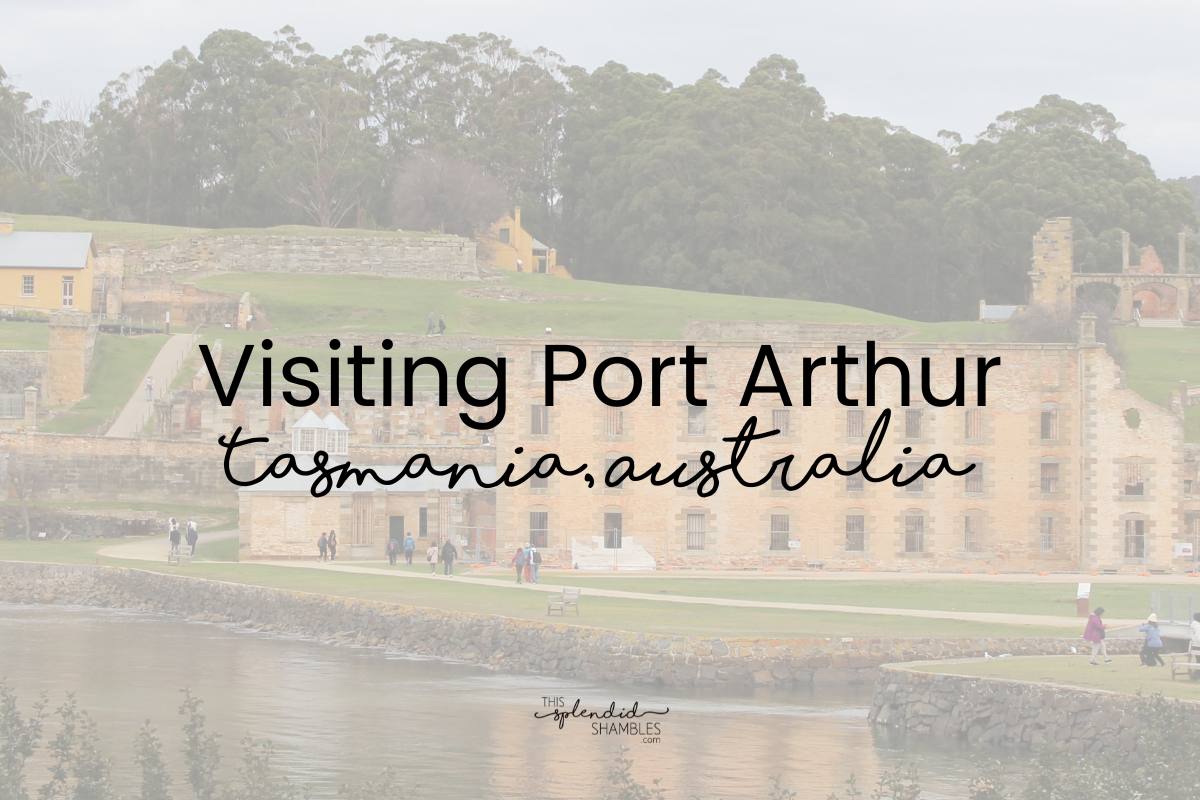
One of the things we really wanted to check out on a trip to Tasmania, Australia, was heading down to Port Arthur. We were staying in Hobart for a couple of days, so we knew it was the perfect opportunity to go and visit.
My friend and I had already returned the rental car, after a few days up in Launceston and Cradle Mountain, so we booked a tour which left from Hobart central, and dropped us off right at Port Arthur information centre and ticketing. Our tickets were part of our tour price, so once we were there, we were good to go!
About the Port Arthur Site
Port Arthur was established in 1830, and apparently, the location played a huge part in where it was set up. Set on the Tasman Peninsula and surrounded by water, thick forest, and one tightly guarded strip of land, it was almost impossible to escape.
It began as a timber-getting camp, but it didn’t take long to become a punishment station for convicts who’d already reoffended, and by 1833 it was more of what you see today if you visit. It turned into a very brutal sort of place, with men being locked up, thrown in the asylum, in solitary confinement… all horrific actions. But what makes Port Arthur especially unsettling is that it wasn’t designed to be brutal for the sake of it.
It was meant to be an experiment.

Governor George Arthur believed that men could be punished and reformed at the same time, through discipline, religion, education, and learning a trade. And you can see that as you wander the site, there are classrooms and education rooms, there is a church, a chapel, a lecture hall, and places to create and build. But also cells and stocks. The mix of punishment and reform was done in the hope that this structure would turn them into productive citizens once released.
For some convicts, that system genuinely changed the course of their lives. For others, the experience was crushing, and the line between reform and cruelty blurred fast.
By the 1840s, Port Arthur was less prison and more a fully functioning settlement, with both the convicts, soldiers, and officers living there, but also families, and even children. The station slowly wound down from 1853, and by 1877 it was closed.
Today, Port Arthur’s dark past is exactly why people come: to hear the stories, to see what it was like, to remember to never let it happen again.
Visiting the historic buildings at Port Arthur
When you first arrive at Port Athur, you’re given a great map of the entire site, with all the buildings you can visit labelled along the paths. It’s incredibly easy to get around the site with the map, so we just had to pick a direction and start.
We decided to go anticlockwise for some reason, starting with the Church to the right of the main information centre, and then completing a large loop, pausing for lunch and also our boat ride at 2pm, and then doing the rest of the site.
I discovered, as we walked around and learnt more about the buildings, that fire was a big part of the history of this place, with many of the buildings being completely destroyed by fire, or not able to be fully restored.
Here’s a bit of a rundown of all the buildings we saw along the way.
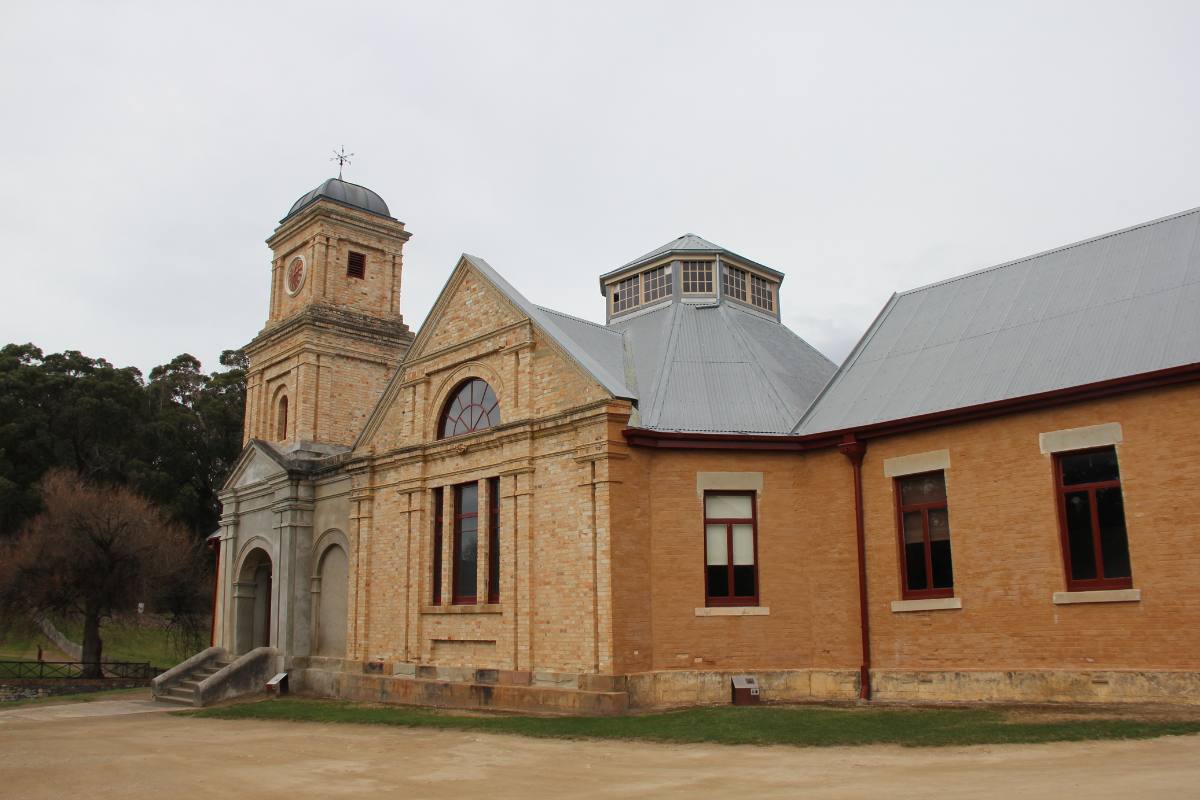
Convict Church
When the site was full of people, nearly over 1000 people met in the stone church for prayer and worship. In 1884, it was damaged by fire and was irreparable. These days, just the main walls really remain, and when you step inside, the whole thing is roofless.

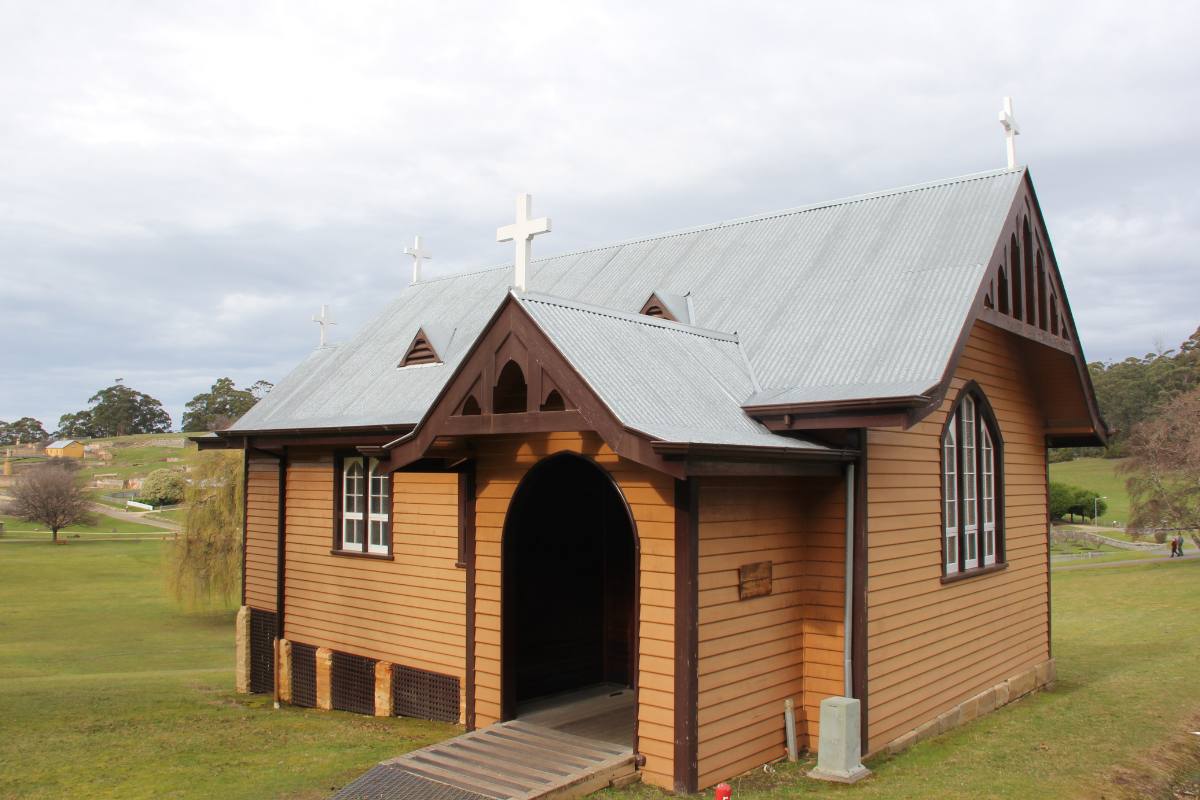
St David’s Church
St David’s Church, on the other hand, is actually still functioning and part of the Anglican parish. There are sometimes services still held here. It was a really sweet building, with just a handful of pews inside.
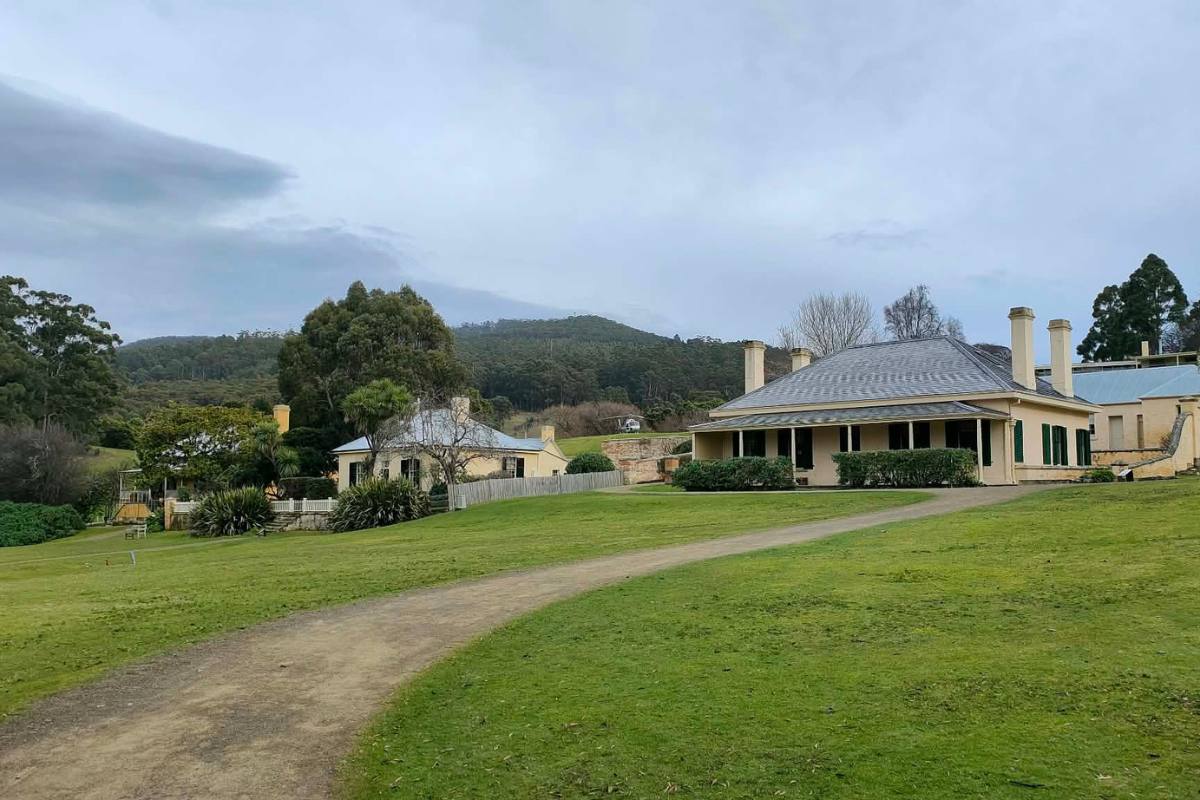
Civil Officer’s Row
This was a collection of houses which were all occupied by civil officers during the convict period of Port Arthur. There was a Magistrate’s house (which later became the home of the Senior Medical Officer), the Roman Catholic Chaplain, and Junoir Medical Officer’s house, which later became a hotel in the 20th century. You can go inside the latter.
Separate Prison
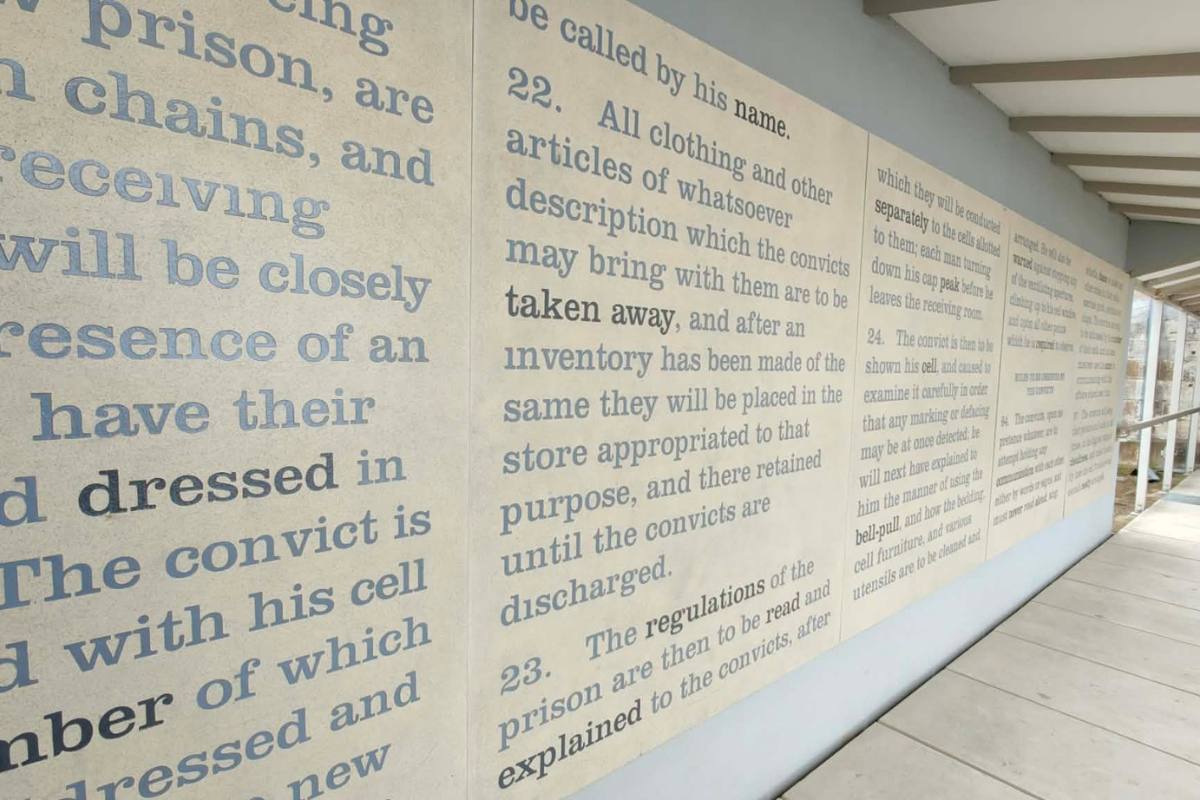
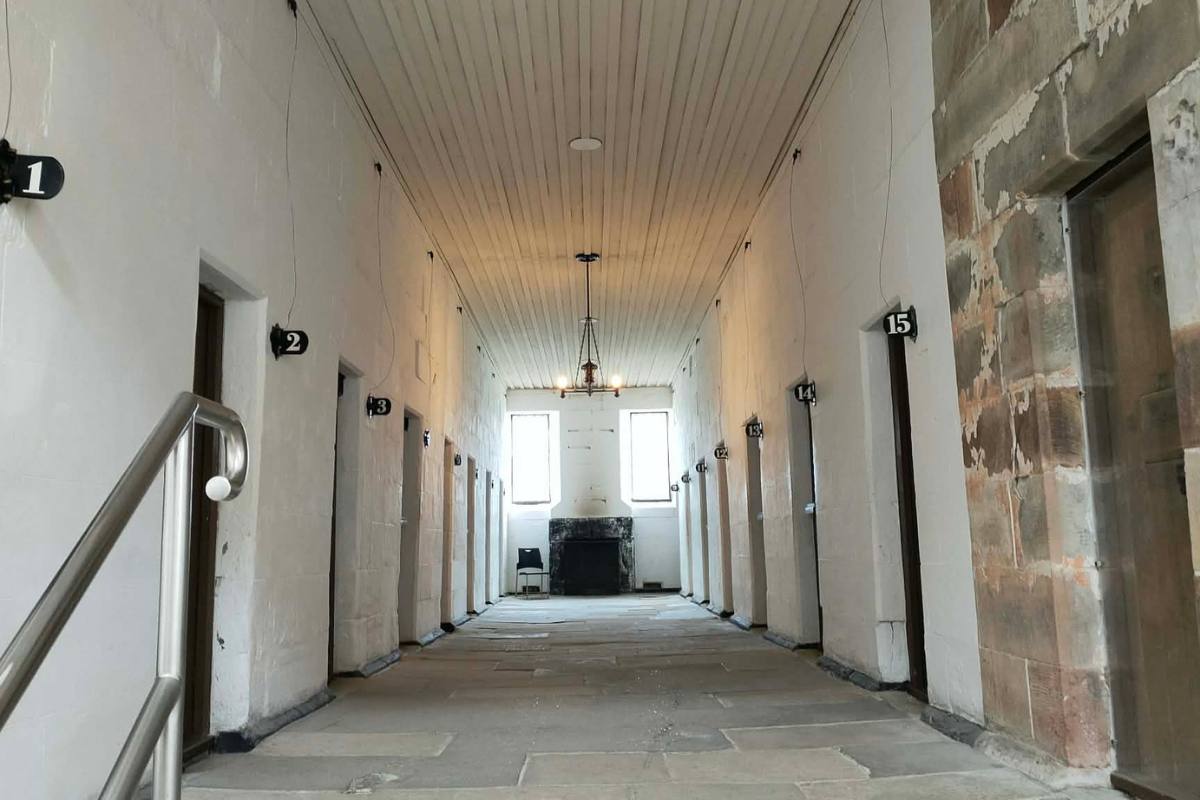
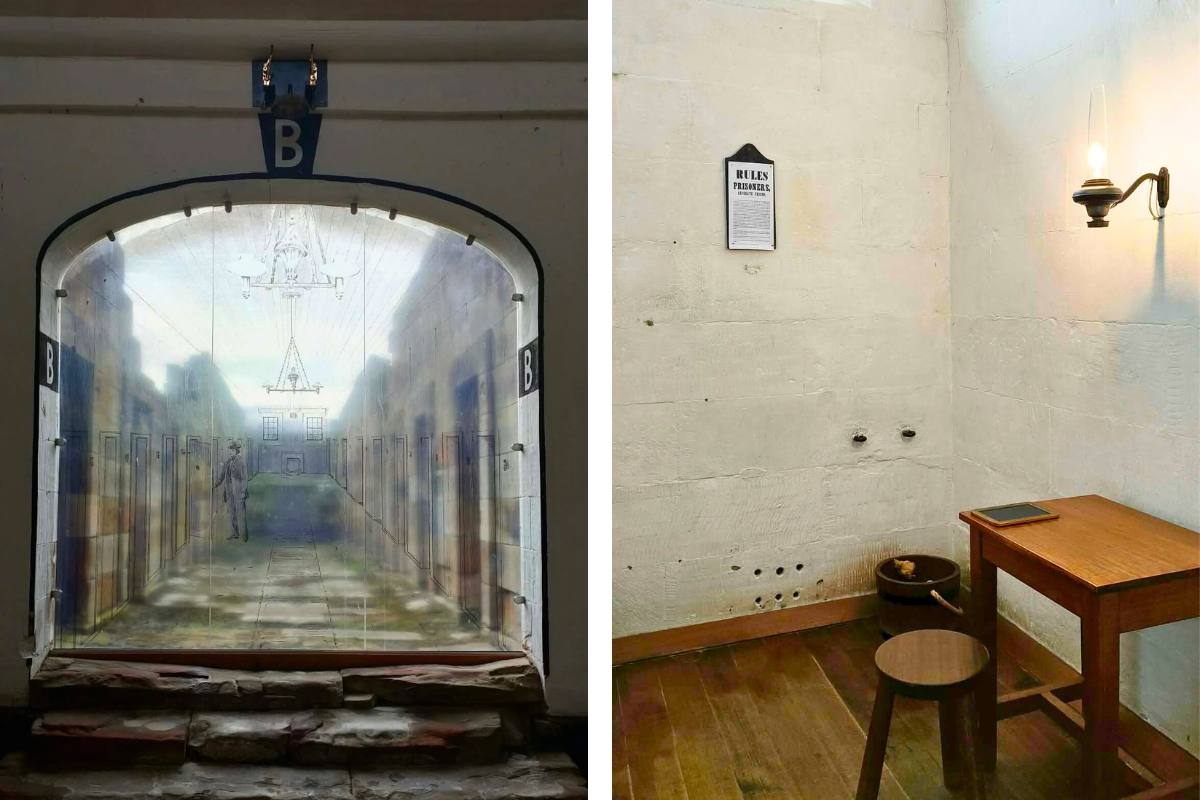
This was the hardest-hitting, sobering building we visited, the Separate Prison. Located at the top end of the site, the Separate Prison was built in 1849 and was based on the Pentonville Prison in Britain. It had four different wings that stretched out from a central point, and this was for surveillance purposes.
The Asylum, which is located next door, was built for those convicts who were deemed mentally unwell. In 1895, both of the buildings were damaged by fire, and the Asylum was rebuilt to act as a town hall, which is now a museum. The former was actually restored in 2011, and when you’re walking through the halls, you can read about some of the prisoners who were kept there and see what some of their conditions were.
I didn’t take many photos of the outside, but here are some of the rules from the prison, and some shots from inside.
Penitentiary
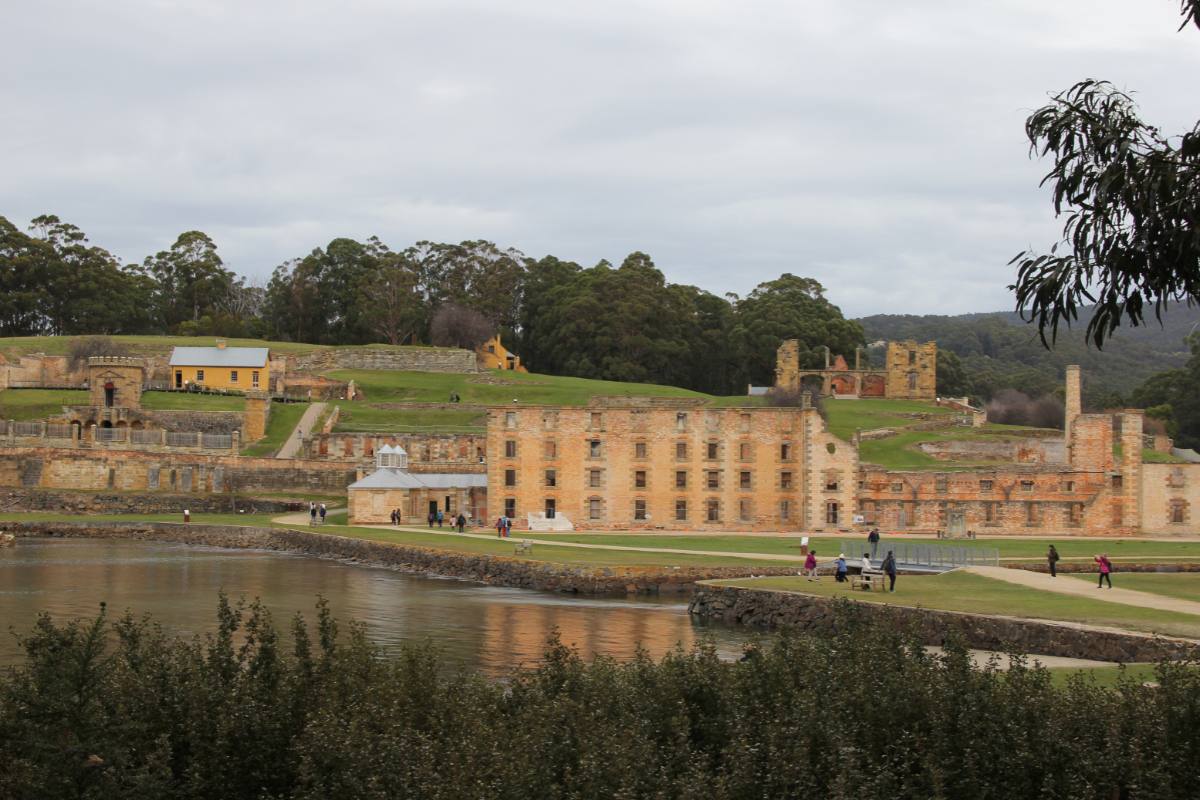
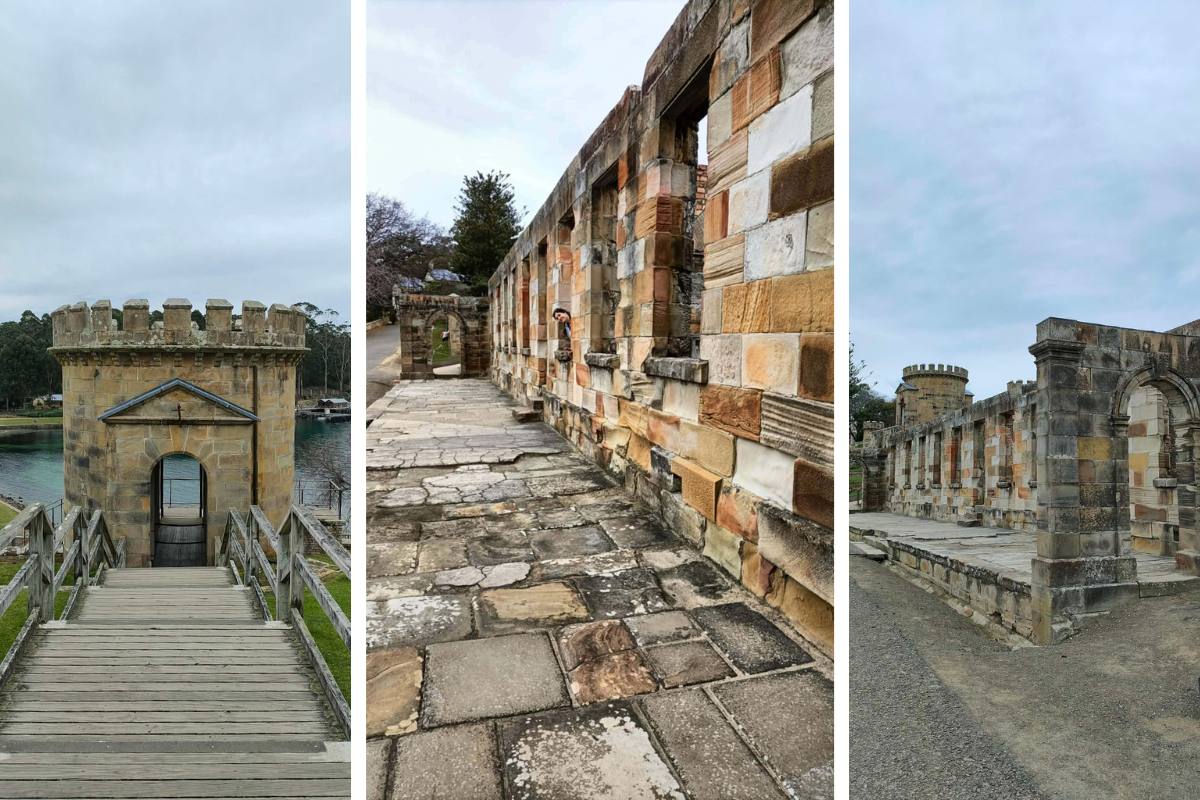
If you’re familiar with Port Athur at all, then this is the building you may recognise – the Penitentiary. Or the remains of a building, as it may be. It was actually initially a flour mill and granary, but failed as a business prospect and was converted into cells for convicts. When you’re walking around, it’s mostly just walls and some remaining stones as indications of where the cells used to be, as the building was destroyed by fire (another fire!) in 1897.
The Guard Tower
This was a very cool-looking tower, which is very medieval in style. Being a tower, it was obviously used for surveillance, both around the Port Arthur site and keeping track of things like the convict work and also the accommodation areas, but it also had a great view of the harbour. There were also military families’ homes nearby.
Commandant’s House
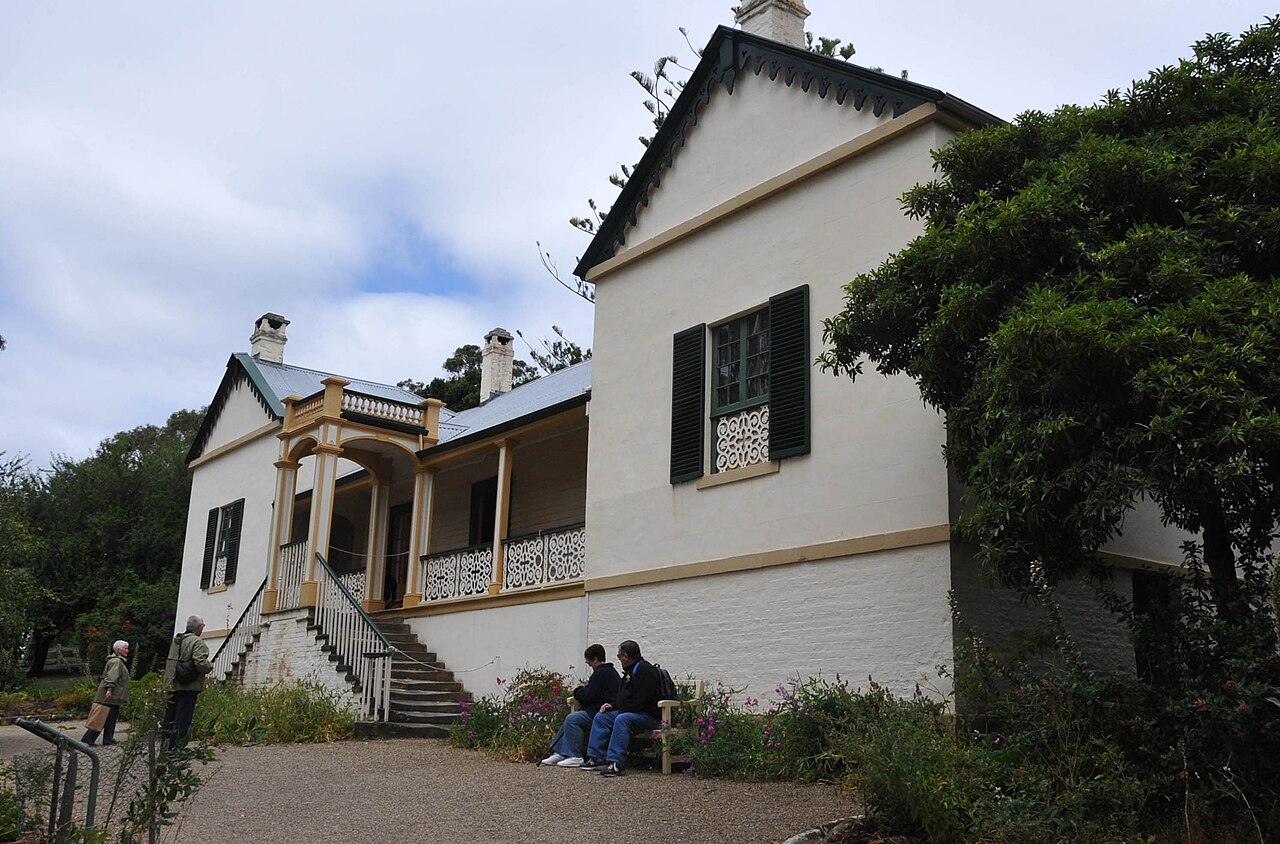
One of the most detailed buildings, in terms of what you can see inside and getting a real feel for what it was like back in the day, is the Commandant’s House, or the men who were in charge. Situated near the Guard Tower, it’s high on the hill and a bit away from the main settlement.
Apaprently it’s one of the oldest buildings on the site, and it’s had a lot of changes over the years, eventually being turned into a hotel. Today, of course, it’s more museum than anything, and you can wander through the rooms, reading signs and looking at some of the items on display that tell the stories of those who lived and worked there.
This was one of the places where I don’t think it was whellerchair accessable, to just keep that in mind when you’re visiting. I didn’t actually get any photographs of the outside of this building, as it was covered in scaffolding and we ran into a tour so there was people everywhere. But here’s one that I’ve attributed to the original photographer.
Memorial Garden
In 1996, yes, that recently, a tragic event happened at Port Arthur. A gunman took the lives of 35 people and wounded another 19 around the site. Absolutely horrific. This garden is a beautiful memorial to those people who lost their lives. Definitely take time to pause there on your visit.
This is not a complete list of buildings at all, but just some to give you a feel of the place.
To learn a little more about the buildings, and the ones I haven’t mentioned, check out the Port Arthur website and hover and click the building on this map that you’d like to learn more about. There’s a wee paragraph about each one. Of course, when you’re visiting the historic site, there are plaques, signs, boards and displays full of more information.
Bonus Port Arthur Harbour Cruise
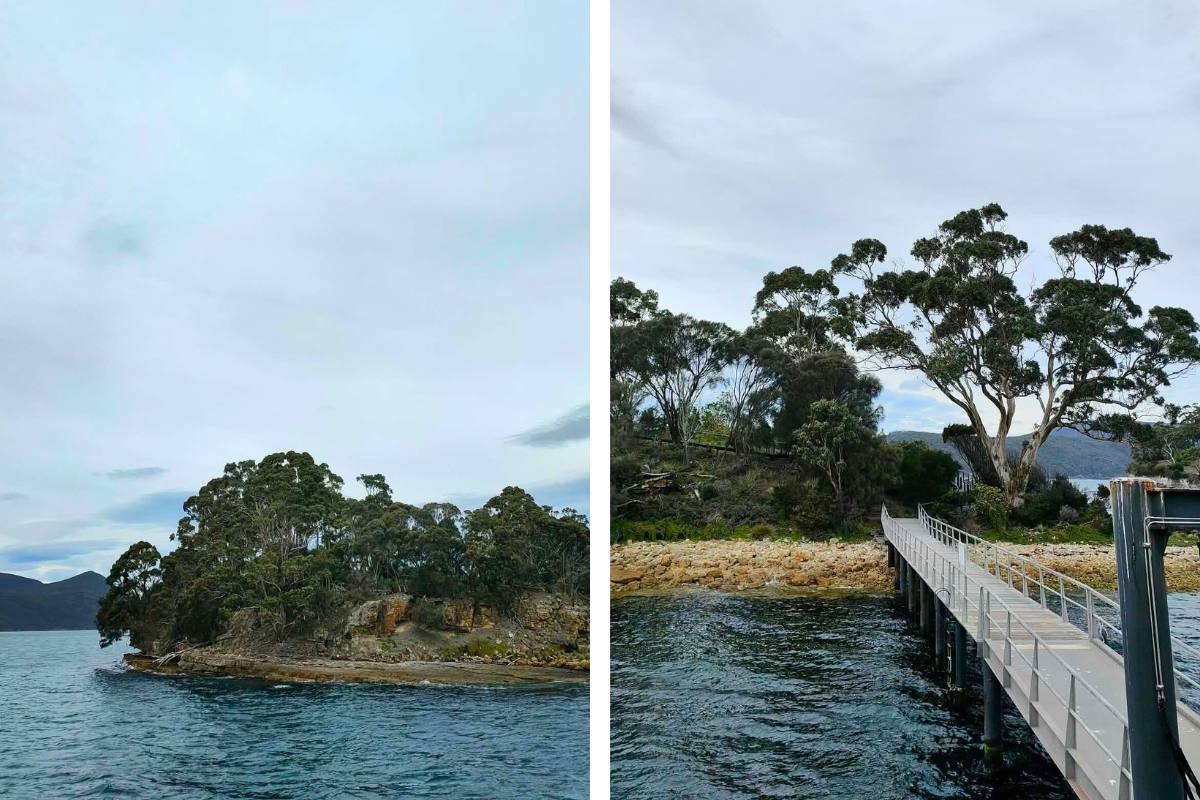
One of the add-ons you can do, and that was part of our tour ticket, is jumping on the boat and doing the Harbour Cruise. There are two options: Just the Harbour Cruise, which takes you around the harbour and the voice-over guy tells you about some of the buildings you can see from the boat, and about the Isle of the Dead, too.
And then you can also get off at the Isle of the Dead, which is essentially a cemetery where many of the prisoners are buried to this day. It’s a 40-minute mini tour, as the island itself is not very big.
We just did the harbour cruise, and it was a lot of fun to just sit on the boat and be told more of the history of the place.
You can see some of the other tours at Port Arthur that you can do here.


Some of the practical things
Getting there
It’s very easy to get to Port Arthur from Hobart. We had hired a rental car for the beginning of our time in Tasmania, and used it to road trip around the place a little, popping up to Launceston and over to Cradle Mountain to do the Dove Lake walk. But by the time we were back in Hobart to explore more of the city, we had returned the car.
With a car
If you were to drive to Port Arthur yourself, it’s an easy 1 hour and 30 minutes from Hobart, and you can take the Arthur Highway. Pop it in your Maps app if you’ve got Australian data on your phone, and you’ll be there in no time.
Without a car
If you don’t have a car, though, like we didn’t at this stage, then you can still get there relatively easily. We booked a tour, which was less ‘tour tour’ and more ‘jump on this bus from Hobart central, and we’ll make sure you get to Port Arthur. Then you’re on your own’.
We headed down to the waterfront in Hobart, where the pick-up spot was, and there were only 2 other people heading to Port Arthur with us that day. While we had an entire bus to spread out in (which seemed like a waste of petrol 🙈), our bus driver was really lovely, and we did an extra stop along the way because she wanted to show us a beautiful view. It was beautiful, as you can see.

The tour bus driver dropped us off at Port Arthur, walking us in and making sure that we had our tickets (they were part of the ‘tour’ that we booked so we didn’t have to get tickets for the historic site. And then she gave us a pick-up time, which we stuck to.
There were a couple of extra people on the bus on the way back to Hobart, but it was a brilliant way to get to Port Arthur when we didn’t have a car.
What to bring when you visit
Obviously, this will change depending on what time of the year you’re visiting, but remember to take water with you, as well as snacks for the road and for the site. You can make use of the shops, restaurant and cafe there, but there is a lot of walking so you might get pekish.
You’ll want comfy shoes and comfy clothes, as there’s a lot of walking around the site. If it’s summertime, you’ll absolutely need sunscreen and a hat, as there’s lots of open spaces. And you’ll also want a raincoat if you’re visiting at a time when the weather is unpredictable.
If you’re a photographer, then bring your camera! There are some stunning buildings, both intact and in ruins, and some beautiful light and shadow photo opportunities, too.
Accessibility
The Port Arthur Historic Site can be mostly explored via wheelchair-friendly and pram-friendly pathways. Many of the buildings are accessible by ramp, and there are accessible bathrooms at multiple spots around the site.
Not all the heritage buildings are wheelchair-accessible (they weren’t thinking of wheelchairs when they built them way back in the day, unfortunately!), the team at the Visitor Services centre might have some options for you. If you book the Port Arthur Essentials Tour or Harbour Cruise, then these are all good for your prams and wheelchairs.

Some final thoughts on our visit to Port Arthur
While the subject of the historic site is so hard to read about, sombre to view the remnants of, and overall not a cheery outing, the whole experience was fascinating and thoroughly enjoyable. Port Arthur has been set up so well, in terms of how they display the information and the stories of the people who lived there, who were imprisoned and held there, who worked there, who died there.
The mix of audio throughout the site was really well done, too, and as far as I can remember, everything was working really well. Only the Asylum Cafe was shut when we visited, I believe, so for the most part, it was a great success.
The additions of things like the boat cruise into the harbour, the museum-esque room when you first arrive, the shop, and the eatery made for a really well-designed experience. There’s a little bit of everything for people, and it’s all very easily accessible, bar a few areas where stairs are in play.
If you’re visiting Hobart or Tasmania, then I highly recommend visiting Port Arthur. You’ll need nearly the whole day, or at least a really good chunk of the day, to drive there and back, and wander around the site. Well worth it!
Have you visited Port Arthur, Hobart? What did you think of it?

Anjali Kay
Anjali Kay is an Aotearoa New Zealand-based blogger and book lover sharing travel inspiration, bookish posts, the occasional creative project, and a lot of practical blogging tips here at This Splendid Shambles. Based in Auckland, she's been writing book reviews and travel posts, sharing creative projects and blogging tips since she started her first blog in 2009. When she's not working on her own blog, Anjali also offers blog coaching and support for bloggers who want real guidance from someone who's actually done the work, and is a few chapters ahead of them.


Having fun? Check out these posts!

The Journey Home // Sydney Edition…

MoMA Comes to Melbourne | Melbourne, Australia
