

Top Tips for Getting Around Tokyo, Japan
Last updated on 6 August 2024
This post may contain affiliate links. If you make a purchase with one of these links, I recieve a small commission at no additional cost to you. Read the full Affiliate Policy.
 Getting around Tokyo is a lot easier than expected
Pre-book your airport shuttle, get comfortable with the trains (they’re friendlier to tourists than they look), and don’t be afraid to walk, taxi, or ask a stranger when you need to. That’s really all there is to it.
When 3 friends and I headed to Japan in 2015, one of the things we were worried about was getting around Tokyo. How does one navigate a foreign city when no one speaks the language and the language is written in a different alphabet than what you’re used to?
Apparently very easily.
Whether you’re heading overseas for the first time, or you’ve done it every year for 3 decades, heading somewhere where the language is not your own can be a daunting experience, especially if it’s mixed with your first overseas trip, as it was for some of my friends. My first piece of advice is, much like if you were to travel the galaxy: Don’t Panic.
None of us knew Japanese, even though we had learnt a few phrases, and we did absolutely fine the entire week.
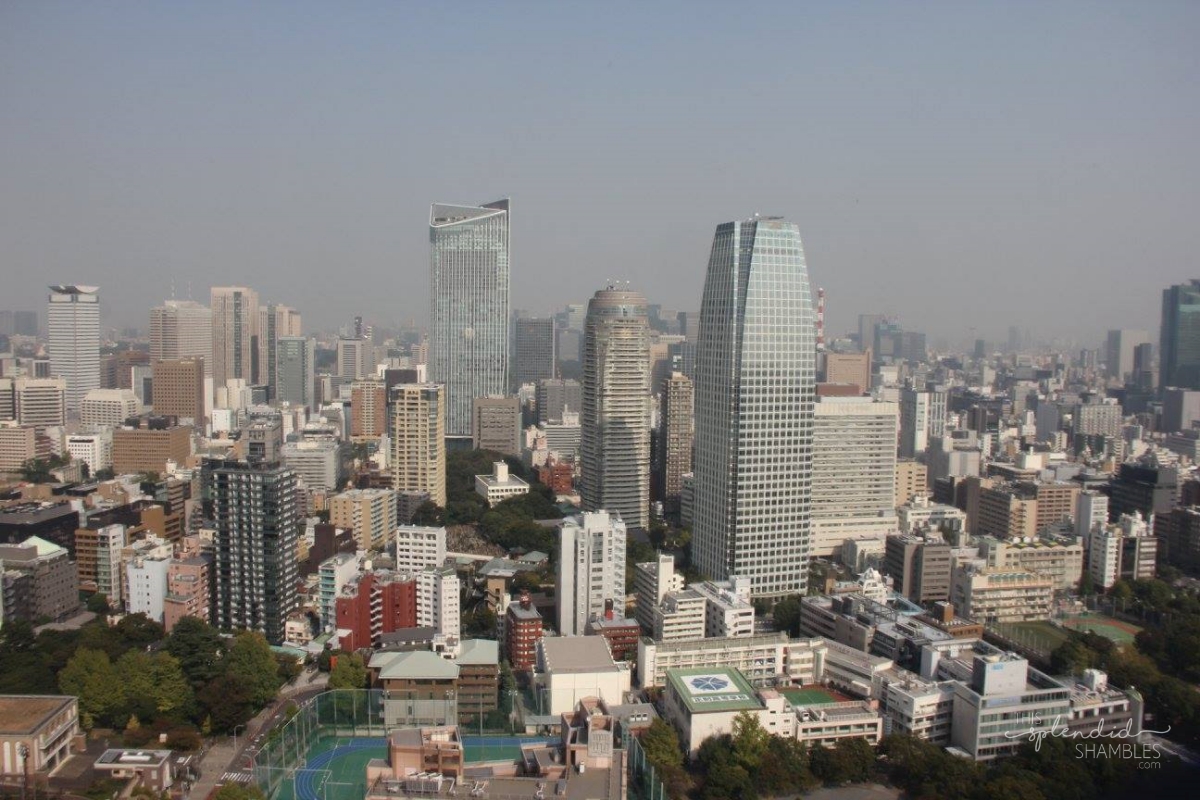
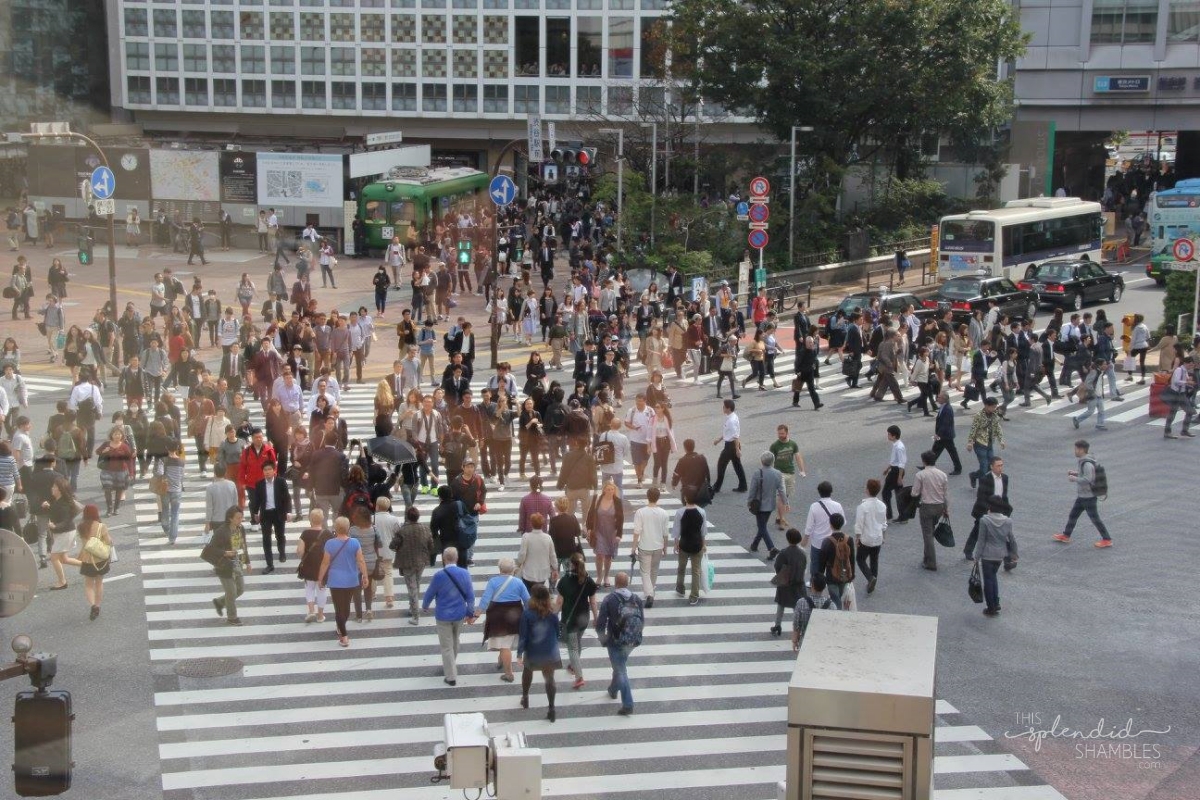
Tokyo is a big city. With a population of 8.5 million, coming from little ol’ New Zealand where our entire population is just over 4 million, it was a little overwhelming thinking we’d be trying to sight-see and adventure in among these people’s busy lives. But after the first day or two, we felt confident heading out into the city with our map and our Lonely Planet Guide to Tokyo.
To help you out for your trip to Japan, here are some of the ways you make getting around Tokyo a breeze!
Airport shuttle bus
After taking the 10+ hour flight from Auckland direct to Narita International Airport, we landed and went in search of our pre-booked airport shuttle bus, which would take us to the hotel.
Considering this was the very first time any of us had been to Japan, and this was our first obstacle, it was conquered incredibly quickly, simply, and without any stress.
If it’s your first time in Tokyo, then I highly recommend buying an airport shuttle bus ticket before you arrive.
After you get off a long-haul flight, the last thing you want to do is try and get to your hotel in the dead of night (or early morning!) without knowing the language or culture, or what to expect. Once we found the right desk associated with our bus, we gave them our pre-booked bus ticket numbers, which were on the itinerary, and they told us exactly where to go and what to do, in English.
We had to wait about 20 minutes for the correct bus that was heading to Shinjuku, where we were staying, but once we were safely on the bus, it was a nice drive through the city night lights to the hotel.
The shuttle bus driver was helpful and spoke some English too, and every stop was clearly labelled and read aloud over the speaker. Our first mission, complete. ✅🎉

Tour bus
A tour isn’t for everyone. Some people just like to go and wander and do their own thing, and there is nothing wrong with that at all. But if a tour is your thing, again, book ahead of time. We did a tour to Mt Fuji and Hakone on the first day we were there, and it was an amazing experience. The tour bus was just like the shuttle bus: comfortable and clean.
It was a little confusing getting to the tour bus, as one bus picked us up from the hotel, which we thought was the tour bus, but it only took us about 10 minutes down the road to where the tour bus depot was. The people on our bus went their separate ways, to the tours, they were going on, and we went and found our Mt Fuji tour guide. Be aware that this might happen, but don’t panic if it does. Just go along with it, and when in doubt, ask someone.
The tour bus was a great way to a) get to Mt Fuji and Hakone, b) meet people, as you spend all day on and off the bus with them, c) learn some Japanese and Japanese culture from the tour guide, and d) see some of the countryside along the way.
Train Lines
In Tokyo, there are many different private train lines, and which one you use depends on where you’d like to get to.
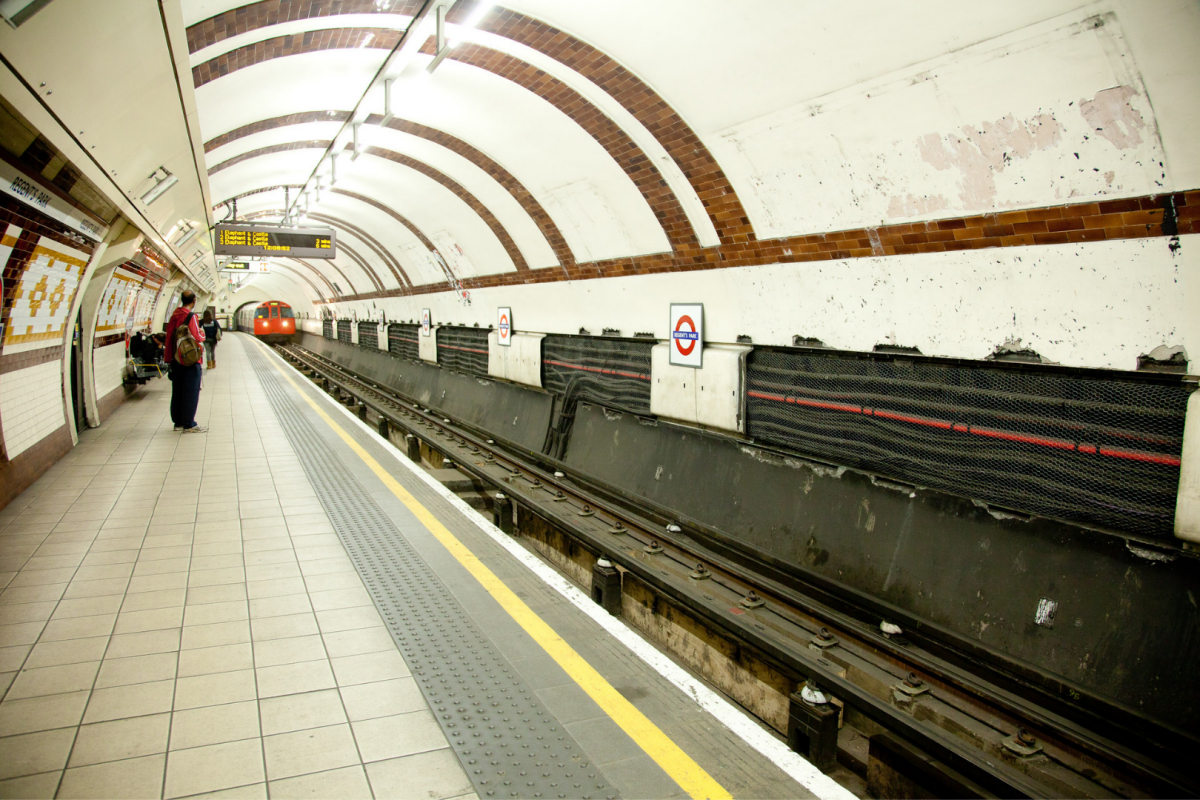
If you’re getting around the city then the JR line and the Subway (Toei and Metro lines) are your go-to’s. Much like the London Underground system, the train lines have routes that go both ways, and depending on your platform will mean you end up going in the right direction or the wrong one. But you’ll simply get to the end of the line and turn around and come back, or, as it is in some cases, loop back around.
The Tokyo train map looks terrifying on paper, but every station name is written in the Latin alphabet, so it’s friendlier than it looks.
Each line within the city has a different colour, and you can follow those on the ground in the stations. Each platform is clearly labelled with the routes on pillars next to the tracks. And each station is read aloud on the train. After the first time on the train, we were naturals.
Just know that if you do get stuck, you can find the information desk and ask politely. They might only have a little English, but the English they do have will be helpful. There are also people on the platforms, so you can confirm with them that you’re in the right place.
Taxis
We only ended up using the taxi once while we were there, and it was just in a dire situation – one of our group had a heavy cold at the time and needed to spend the rest of the day back at the hotel. She took the taxi back to the hotel from about 3 suburbs over. It went smoothly. We gave the taxi driver the exact name of the hotel, and he nodded and off they went.
The taxi was more expensive than the train or subway, but it was good to know that they were easy enough to use if need be.
Walking
You don’t need to memorise a route, you just need to know which way is home.
We were staying in Shinjuku, which is not only one of the most populated city areas but also shopping central. While we spent a good day there, we didn’t nearly see everything, but we did get to several different food places for our evening meals.
From Shinjuku station, we were able to catch all the trains to the other suburbs and to Disneyland, but we found that a lot of the things we wanted to check out were within walking distance.
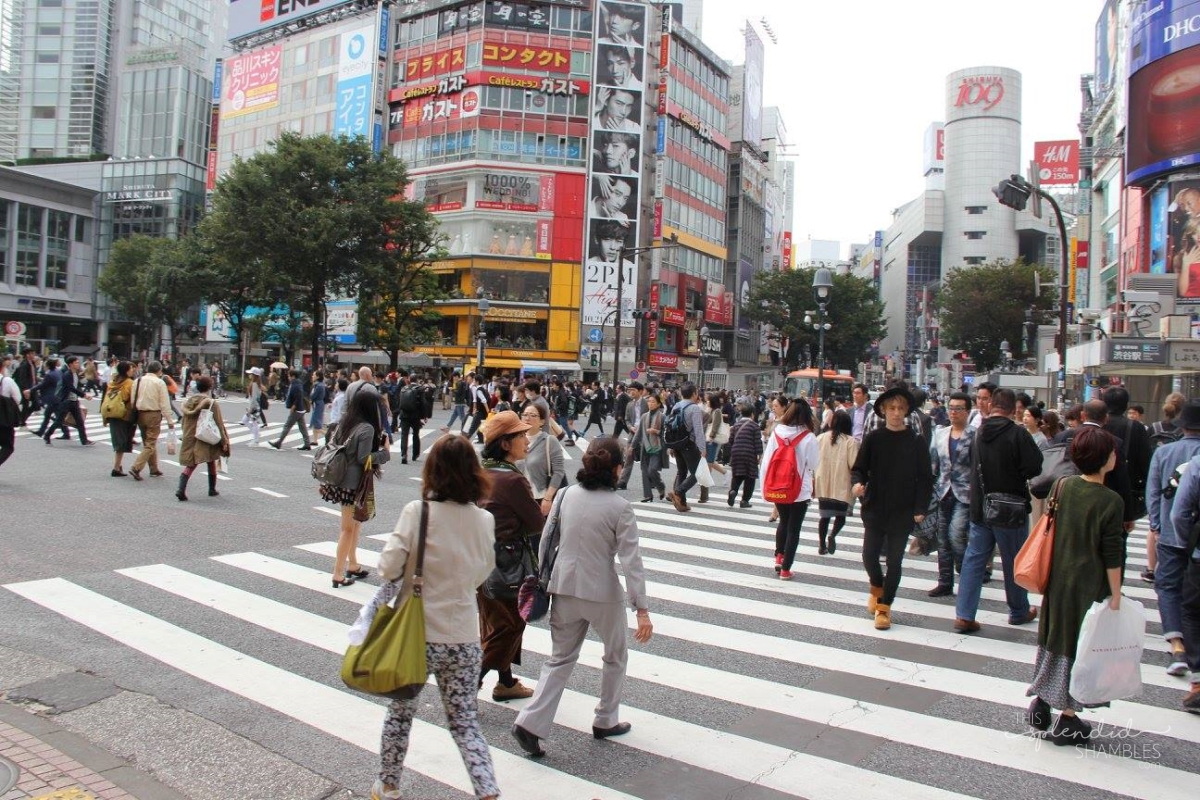
Planning a route helps, especially if it’s your first day out walking around, but as long as you know where the main streets are and the general direction you need to head back in, then it’s pretty safe to go wandering from your route if you spy something interesting. We planned a route that went through Yoyogi Park, down to Shibuya station, through Harajuku. We diverged from it a bit here and there but weren’t too worried about losing our way. People will help you out if you get stuck.
It may be big, it may be daunting, but getting around Tokyo was an absolute breeze. Everything is easy to see, easy to figure out – even in a second language – and when in doubt, ask someone.
While none of us had been to Japan, and the others had never been to Asia before, it was an incredibly easy week of exploring, and I highly recommend it.
Have you been to Tokyo? Did you have any trouble getting around?
Questions you didn’t know you had
Do I need to speak Japanese to get around Tokyo?
Not really. Station names are written in the Latin alphabet as well as Japanese, announcements are read aloud, and staff at information desks generally have at least a little English, enough to point you in the right direction.
Is the Tokyo train system hard to use for tourists?
It looks more intimidating than it actually is. Each line has its own colour, platforms are clearly labelled, and once you’ve done it once or twice, it becomes second nature. Worst case, you can simply ride to the end of the line and loop back.
Should I book an airport shuttle in advance?
Yes, especially for your first trip. Booking ahead means you already have your ticket number and a set pickup point sorted before you land, which takes a lot of the stress out of arriving somewhere jet-lagged and unfamiliar.
Is it easy to just walk around Tokyo?
Very. Plenty of Tokyo’s suburbs, Shinjuku included, are packed with things to see within walking distance of each other, and as long as you know your general direction back, it’s easy (and encouraged) to wander off your planned route.

Anjali Kay
Anjali Kay is an Aotearoa New Zealand-based blogger and book lover sharing travel inspiration, bookish posts, the occasional creative project, and a lot of practical blogging tips here at This Splendid Shambles. Based in Auckland, she's been writing book reviews and travel posts, sharing creative projects and blogging tips since she started her first blog in 2009. When she's not working on her own blog, Anjali also offers blog coaching and support for bloggers who want real guidance from someone who's actually done the work, and is a few chapters ahead of them.


Having fun? Check out these posts!

Tokyo Trip :: Out and About in the City

Terelj National Park, Mongolia: Why It’s Worth the Day Trip From Ulaanbaatar
