How To Read Non-Fiction Books When You’re a Fiction Fan
Last updated on 19 April 2023
This post may contain affiliate links. If you make a purchase with one of these links, I recieve a small commission at no additional cost to you. Read the full Affiliate Policy.

So you wanna get into reading non-fiction but you’re not sure where to start? Or perhaps you know that you could be gaining some really great insights from incredible writers if only you picked up a non-fiction book. But why would you when there are books about dragons out there?
I mean, hey, I get that! I’m exactly where you are. Or I was. Recently I’ve been trying to read more non-fiction books. As a huge lover of fiction (and dragons ha), I always thought ‘why would I read a non-fiction book when I could be reading a fiction story and getting away from the world?’
Is that you too?
But then I read a non-fiction book for the first time in my adult life … like REALLY read it (I took notes and everything) and you know what? I actually really enjoyed it! Perhaps non-fiction books weren’t that scary after all.
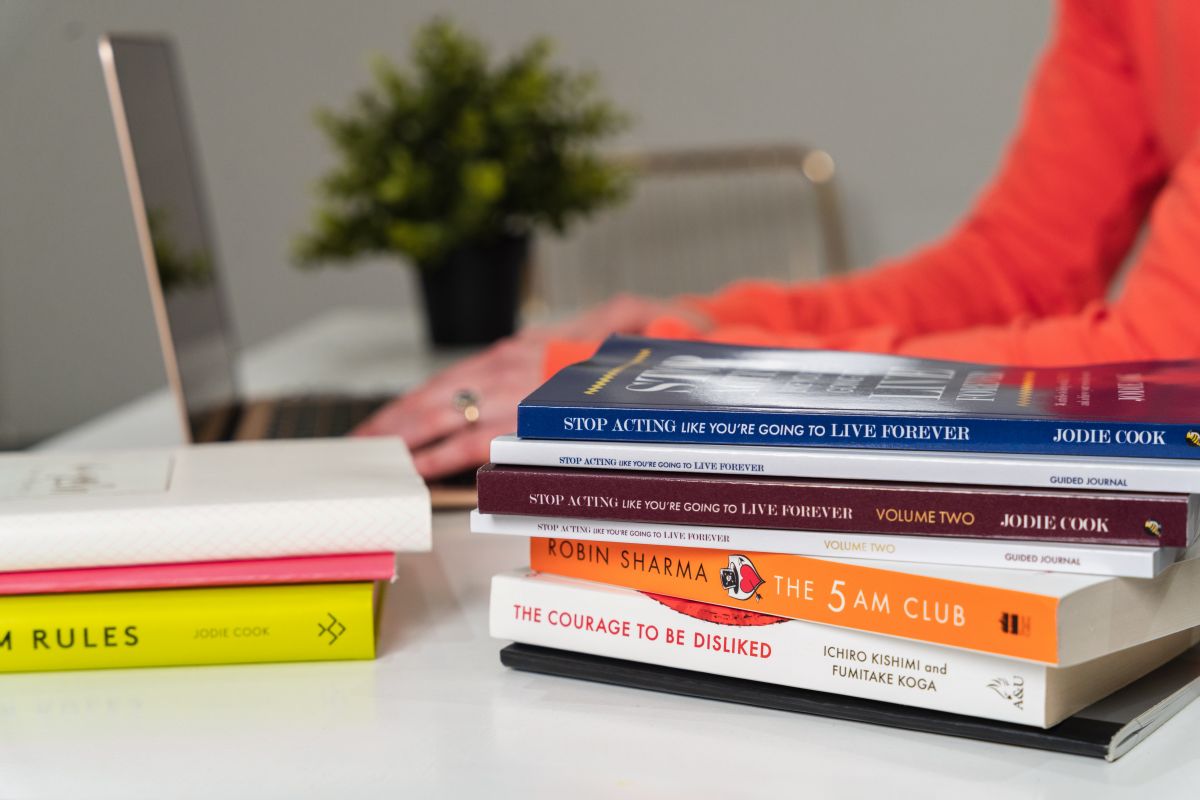
5 Tips for how to read non-fiction (when you’re a big fiction fan!)
1. Start with the title
This sounds obvious, but bear with me.
Never Split the Difference, by Chris Voss and Tahl Raz, drew me in for two reasons: firstly, the cover was bright yellow. And I’m always here to judge a book by it’s cover. I know you do it too. But secondly, the title! It’s intriguing, it made me pick up the book to take a look.
Some books will be great and the title will be bad, but if you’re starting out then check out books that have an intriguing title. It’s a great start.
2. Check out the author
If you’ve heard of the author before, then great! If you haven’t, check out the bio on the inside of the book to learn a little more about the author., This will let you know if they’re an expert in their field, how much experience they have, and if they really know what they’re talking about. (Sure, they’re written a book, but sometimes they might just be rehashing what they’re already put online, for example.)
Take a look online and see what other books they’re written, and what their online presence is like. What vibes can you get from them without having read the book yet?
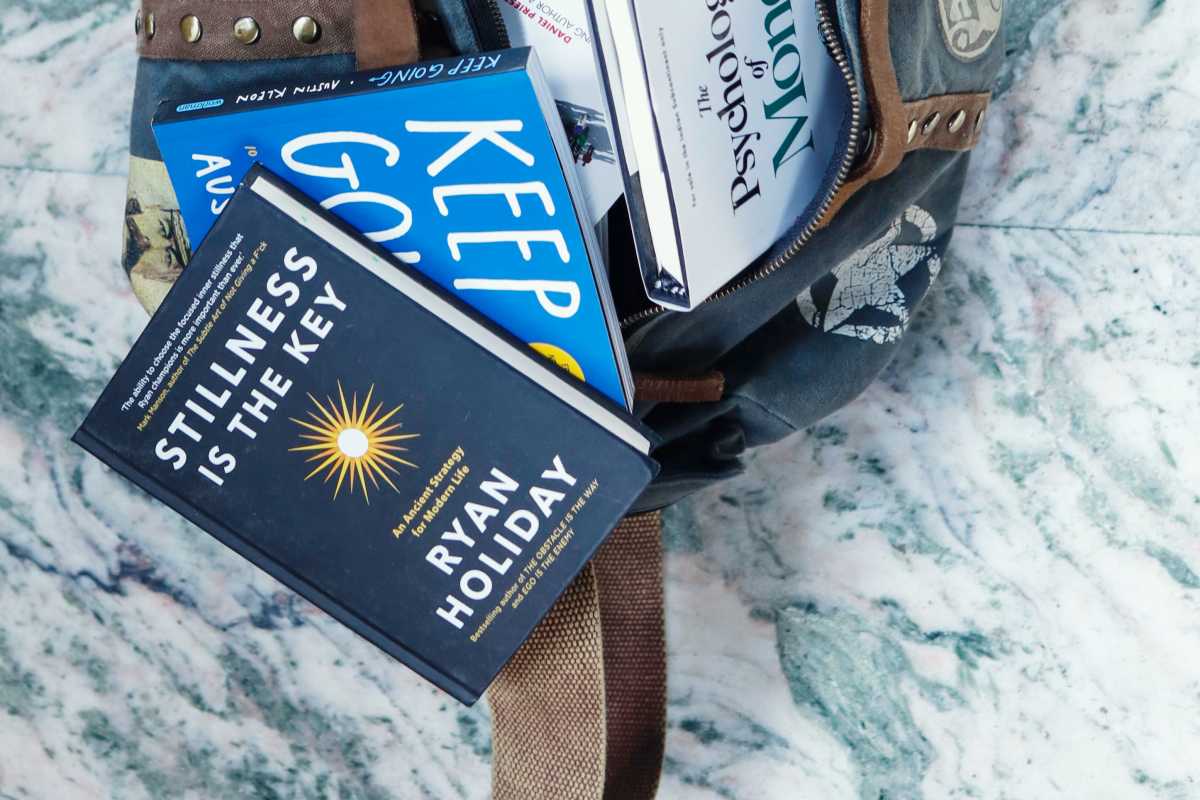
3. Look at the Table of Contents
This is a biggy in a non-fiction book. Unlike fiction where they might not even have a table of contents, a non-fiction book will always have a list of all the chapters in the book, usually with titles to help you navigate through the book.
It’s a good idea to take a look at the table of contents when you’re learning how to read non-fiction books. They’ll give you a really good overview of what you’re going to find inside the book, and if it actually covers what you think, or what you hope, it’s going to cover.
4. Read some reviews
People reading this book are going to have similar struggles or interests to you. You might be wanting to read a book about organising your life. Other people who always want to organise their life have probably already read this book and can tell you if it was actually worth reading or not.
Head to places like Goodreads to find book reviews, or check out product reviews on places like Amazon or Booktopia. Other people love sharing their opinions so this is a great place to check out.
5. Get ready to take notes
While I do like the idea of annotating books, I find I really only underline my non-fiction books and don’t take notes within the book. You can, of course, do this, but I always wonder what the person who reads that book after me is going to think of my notes; they’ll just get in the way of them thinking through things on their own ha.
But I do like taking notes when I read a non-fiction book. I often will use Google Lens to quickly copy the text within a book and save the quote with a pg reference or at least the chapter onto an Evernote page. This allows me to tag the book or the quote with its main topics so that I can come back to it.

Bonus tip: Come back to it
This is something I need to do more of. I loved Atomic Habits by James Clear and learnt some really valuable things from that book. But I’ve still only read it once, and even though I put sticky notes all the way through it, took notes and read over sections more than once … it would be so good to make that an annual read.
Coming back to books, especially non-fiction books, can really help you solidify some of your thoughts and integrate them into your life.
So now you know all my tips for how to read non-fiction books! I have to say I’m still very much in my early stages of enjoying a non-fiction book. If you’re further along than I am, do let me know!
What are your favourite non-fiction books? Drop them in the comments!


Anjali Kay
Anjali Kay is an Aotearoa New Zealand-based blogger and book lover sharing travel inspiration, bookish posts, the occasional creative project, and a lot of practical blogging tips here at This Splendid Shambles. Based in Auckland, she's been writing book reviews and travel posts, sharing creative projects and blogging tips since she started her first blog in 2009. When she's not working on her own blog, Anjali also offers blog coaching and support for bloggers who want real guidance from someone who's actually done the work, and is a few chapters ahead of them.


Having fun? Check out these posts!

The Peculiar Book Tag

Book Haul #28